
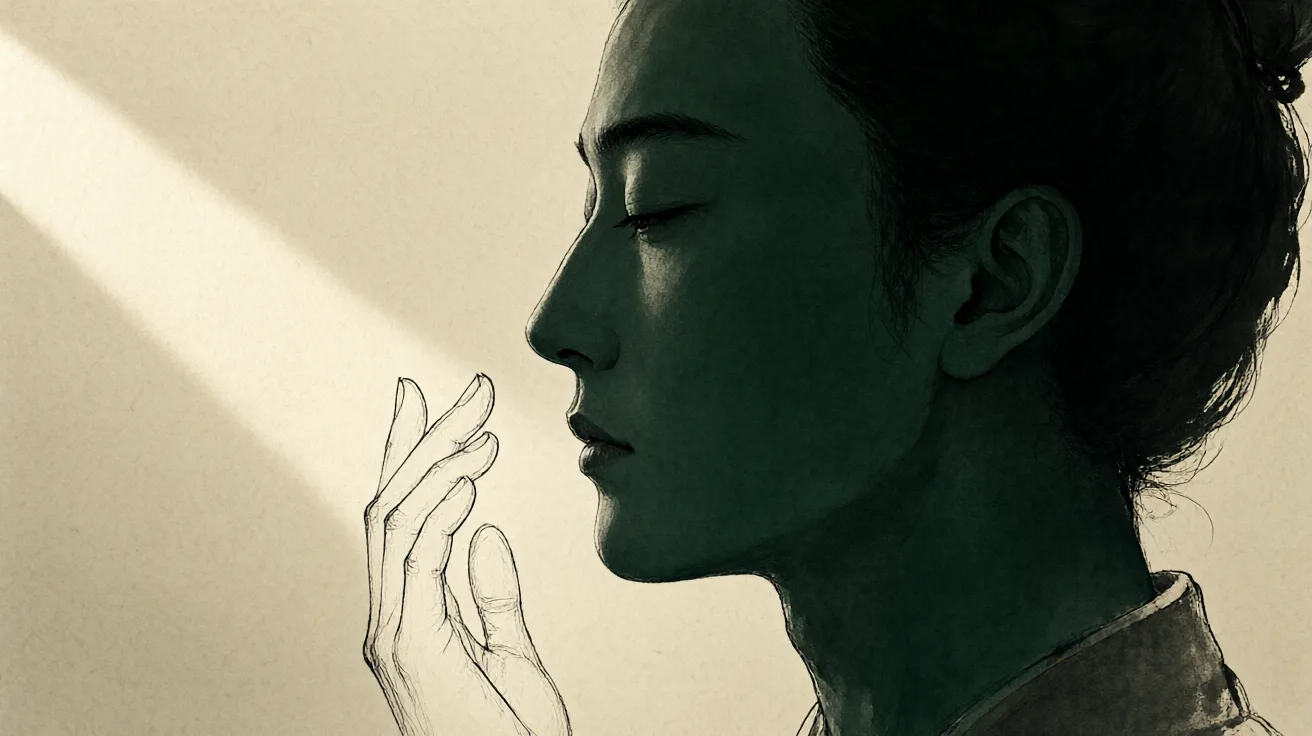
Physiognomy as a Traditional Cultural Classification
Traditional facial analysis examines regions such as the Three Stops, the Five Features, and the Twelve Palaces, while hand analysis focuses on palm shape, mounts, and major lines. These constitute a long-standing system of cultural interpretation.
These terms refer to techniques distinct from modern identity verification or medical imaging, and should not be used as substitutes for one another.
The Importance of Boundaries in Reading Physiognomy
Facial and hand features vary with age, lighting, fatigue, weight, and camera angle. A single photograph does not represent a long-term state and must not be used to diagnose illness or fix character traits.
Traditional texts also carry era-specific and gender biases. Readers should maintain a critical perspective and avoid applying the moral judgments of past eras directly to contemporary individuals.
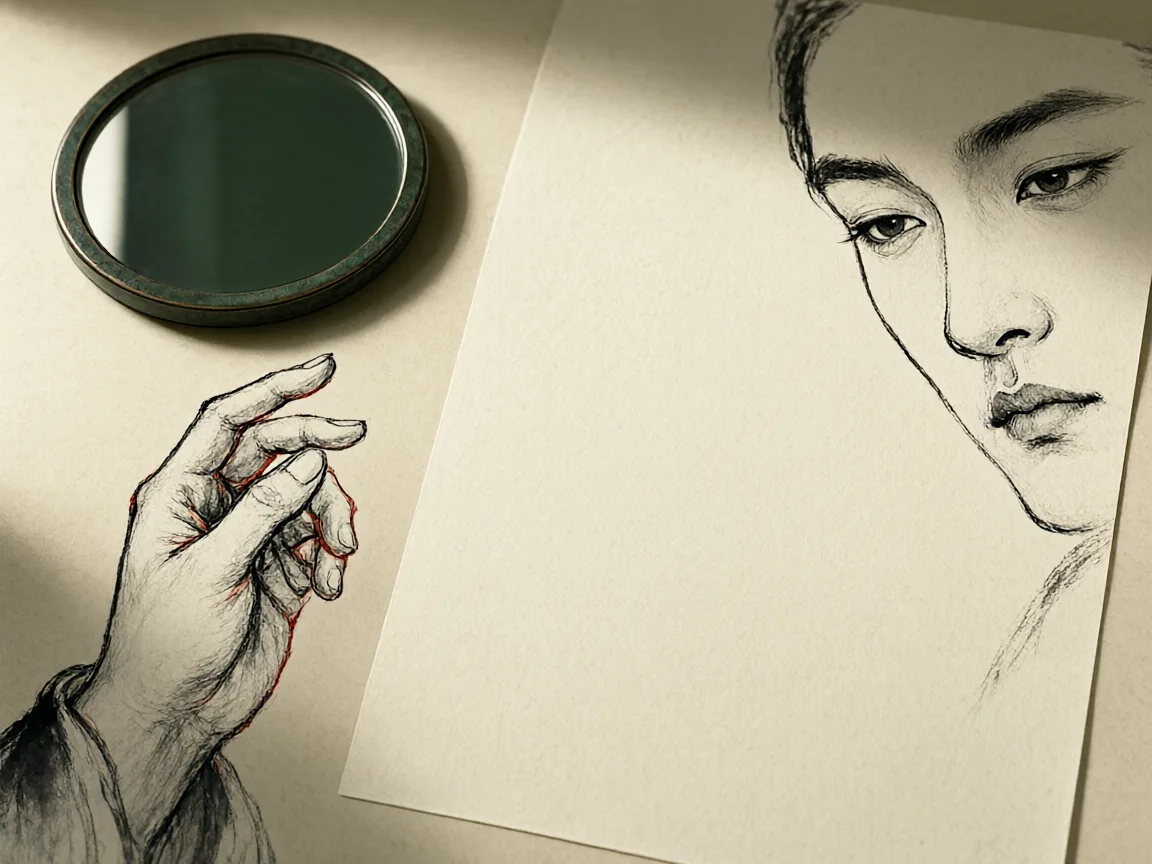
Why Use Traditional Physiognomy as Reference
It can serve as a cultural language for observing personal states and organizing concerns, such as prompting attention to sleep schedules, stress levels, or communication styles. It is not suitable for use as a basis for recruitment, relationships, insurance, or medical decisions.
Privacy must also be observed when capturing and storing personal images. Use only photos one has the right to submit, and understand the methods for storing and deleting them.
Usage Within Xuanji
The app provides access to traditional physiognomy references for hands and faces. Capture clear photographs as requested by the page, and treat the conclusions as cultural indicators rather than judgments of identity or health.
The basic version introduces the system and its boundaries of use; detailed explanations of palm lines, the Three Stops, and facial proportions will be addressed separately in future discussions.
Frequently Asked Questions
Can a Photo Reading Determine Health?
No. Health issues should be consulted with qualified medical professionals; interpreting photographs cannot replace medical examinations.
Does Palmistry Change Over Time?
Lighting, posture, and skin condition in a photograph will change; traditional lines should not be understood as fixed destiny.
Go Deeper
This is the Fundamentals introduction. Future updates will add etymologies of key terms, differences among schools of thought, verifiable reference methods, and common misconceptions—following professional publishing standards.